
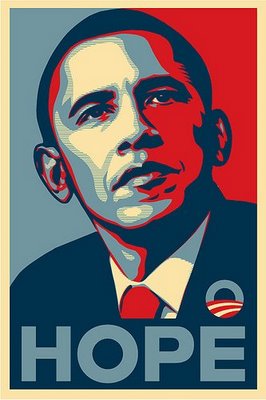
 Is there any bigger brand in the world today than the soon-to-be-inaugurated president of the United States, Barack Obama?
“Barack Obama is three things you want in a brand: New, different, and attractive. That’s as good as it gets.”
So says a guy who knows a bit about branding, Keith Reinhard, chairman emeritus of DDB Worldwide, in an April 2008 Fast Company article about the Obama brand.
But that’s the old-school take on branding. The Obama phenomenon is more than new, different and attractive. As the author of that article, Ellen McGirt, explains:
The fact that Obama has taken what we thought we knew about politics and turned it into a different game for a different generation is no longer news. What has hardly been examined is the degree to which his success indicates a seismic shift on the business horizon as well. Politics, after all, is about marketing — about projecting and selling an image, stoking aspirations, moving people to identify, evangelize, and consume. The promotion of the brand called Obama is a case study of where the American marketplace — and, potentially, the global one — is moving. His openness to the way consumers today communicate with one another, his recognition of their desire for authentic “products,” and his understanding of the need for a new global image — all are valuable signals for marketers everywhere. …
Obama has risen above what he calls a “funny” name, an unusual life story, and — contrary to the now popular (and mistaken) notion that nobody sees race anymore — a persistent racial divide to become a reflection of what America will be: a postboomer society. He has moved beyond traditional identity politics. And whether it’s now or a decade from now, the new reality he reflects will eventually win out. Any forward-thinking business would be wise to examine the implications of his ascent, from marketing strategies and leadership styles to the future of the American workplace.
How will Brand Obama fare in the global marketplace over the next four years? Today is the official rollout. Tomorrow, the product testing begins in earnest.
 Andrew Careaga