
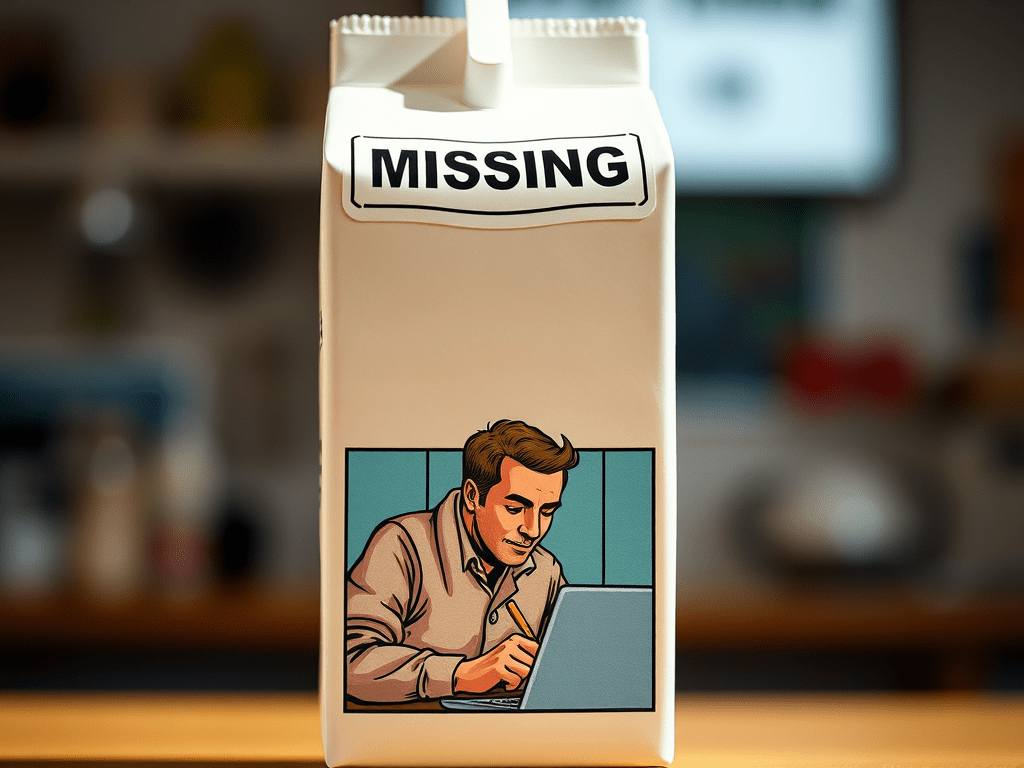
An opinion piece in The New York Times over the weekend — titled “The Disappearance of Literary Men Should Worry Everyone” (gift link) — has me thinking about the role of gender and, dare I say, diversity in the field of literature today.
The author, David J. Morris, who teaches creative writing at the University of Nevada, Las Vegas, writes that “literary fiction has become a largely female pursuit.”
He writes:
Novels are increasingly written by women and read by women. In 2004, about half the authors on the New York Times fiction best-seller list were women and about half men; this year, the list looks to be more than three-quarters women. According to multiple reports, women readers now account for about 80 percent of fiction sales.
He sees a similar pattern in his creative writing courses. “About 60 percent of our applications come from women, and some cohorts in our program are entirely female,” he writes.
While I may not be wringing my hands about the state of men in literature, I also am not in Morris’s shoes. I’m not in the MFA trenches of academia as he is. From a purely self-serving perspective, I can see why he’s worried. Interest in studying English and other humanities fields has been plummeting for years. Humanities enrollment in U.S. colleges declined by 17% from 2012 to 2020, according to a study cited in The New Yorker‘s 2023 article “The End of the English Major.”
That spells bad news for creative writing programs like the one that employs Morris.
But back to his point about the decline of literary men: If we judge the trend only by the best-seller lists, we are missing an important but less visible swath of the fiction-writing community whose works are published mainly by small presses. How many men are being published by those presses?
(The lack of visibility of small-press titles should also worry Morris and others, since many graduates of the MFA program where he teaches will be more likely to get published by a small press than by one of the Big Five publishers.)
Then there is the question of diversity and representation. Morris isn’t advocating for a quota system to boost the ratio of male authors on the best-seller lists. In fact, he writes, “Men ruled the roost (of the literary world) for far too long, too often at the expense of great women writers who ought to have been read instead.” He also isn’t saying that “men deserve to be better represented in literary fiction; they don’t suffer from the same kind of prejudice that women have long endured. Furthermore, young men should be reading Sally Rooney and Elena Ferrante. Male readers don’t need to be paired with male writers.”
What strikes me odd about the premise is my own experience as a nearly lifelong reader and lover of literary fiction. I like to discover new writers and new genres.
Among the books published this year that I’ve read are two exceptional novels by men of color: James, by Percival Everett, and Wandering Stars, by Tommy Orange. Everett’s novel seems to be at or near the top of every “best of 2024” list out there, and Orange’s is also receiving some well-deserved recognition.
Granted, I’m a 64-year-old Baby Boomer, but even in my formative years, most of my male friends didn’t read much. If we did read, it was typically MAD magazine, and I for one identified more with MAD‘s freckle-faced cover boy, Alfred E. Neuman, that with Holden Caufield or any other literary hero of the times. Also, Neuman’s vaguely nihilistic catchphrase — “What, me worry?” — seemed appropriate as we youths navigated life in the Cold War era.
Maybe that mean’s Morris’s concern was always there among a certain segment of the population.
I do share his concern about the decline of reading among American men over the years. But his argument that young men “have regressed educationally, emotionally and culturally” in recent years also sounds a lot like the concerns my elders had about me and my friends. Kids these days and all that.
But I’ve never listened to a Joe Rogan podcast, so what do I know?
I know that one thing I’ve discovered during this year, as I’ve focused on writing more fiction and getting involved in online writing communities, is that there is a lot of writing going on in a variety of genres, including some I’d never heard of until recently (romantasy, anyone?). I’m being exposed to more styles of writing than ever, and more types of writers, thanks to the internet.
People of all ages, genders, ethnicities, and backgrounds are getting their words down and sharing them online: on social media, on blogs, on Substack, and in scads of online literary magazines and websites. Whether their works ever make it to the New York Times best-seller list, the fact that they’re writing is, in my opinion, a good thing, an encouraging sign. And maybe they won’t need to get on a best-seller list. Maybe they’ll find their audience through a new avenue, like Substack which now has over 4 million paid subscriptions to its publications and podcasts.
So, people are finding content. Some of it is bound to be fiction, and some of that fiction is bound to be written by men.
Maybe we should be more concerned about the infiltration of AI-generated content. It’s coming our way — and fast.
P.S. – For the record, I read my first Sally Rooney novel this year. I didn’t care for it.
AI-generated image.

 Andrew Careaga
One thought on “Is the literary man an endangered species?”