
Today’s Friday Five Q&A features a writer I only recently discovered, Kristin Kozlowski.
It was a serendipitous discovery. I was researching literary magazines to submit to when I stumbled across her quirky and delightful flash fiction piece, “My Neighbor Posts a Sign in His Yard,” in Fish Barrel Review. After that read, I knew I had to check out more of her writings, and the more I read, the more I was curious about what inspires and motivates her. So I reached out to ask if she would be interested in being a part of this feature. Fortunately for all of us, she agreed.
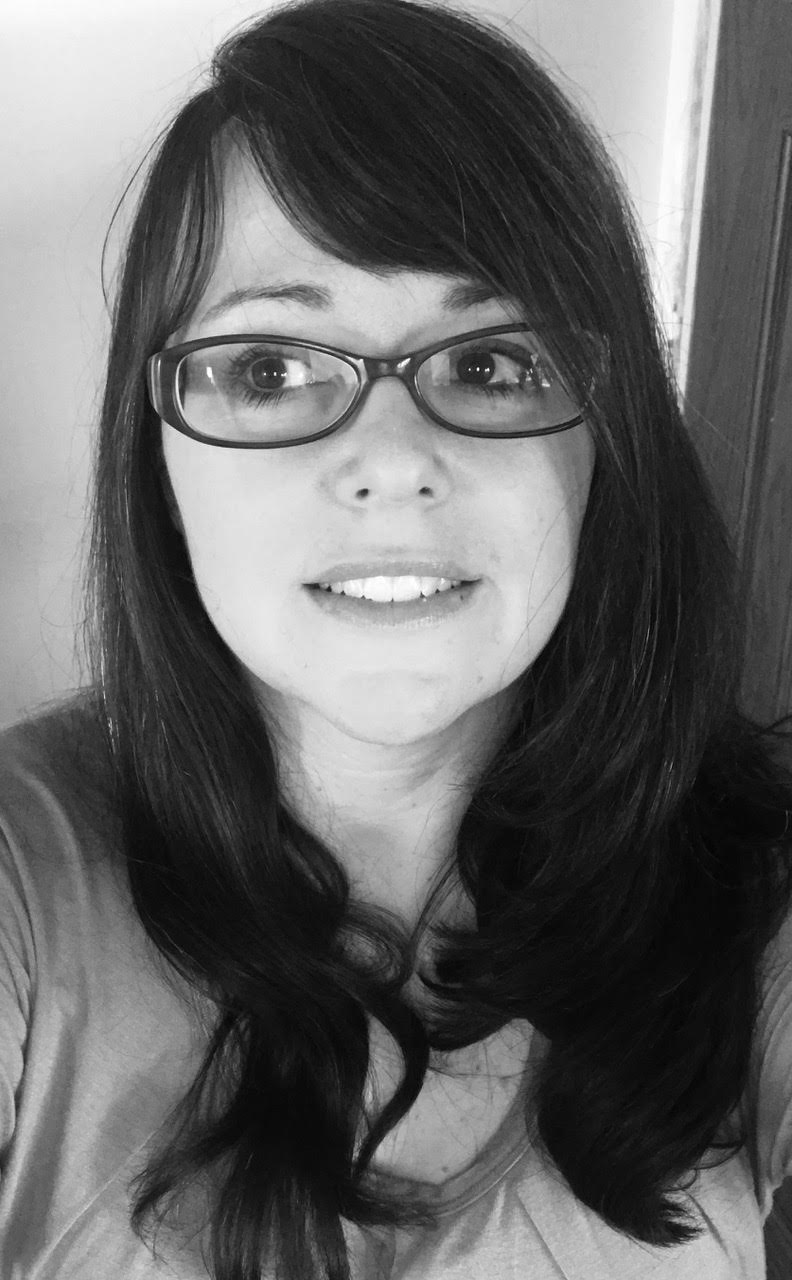
Based in the Midwest USA, Kristin writes a lot of flash fiction (you can find several of those stories in her 2024 collection, Mending Bodies) but also writes creative nonfiction and is the author of two other books: the novelette Like a Compass in Her Bones (2023) and a novella-in-flash, Unraveling the Alien Missions (2024). Her work, featured in publications like Longleaf Review, Pidgeonholes, and Nightingale and Sparrow, captures the irony and coexistence of contrary emotions with a keen, reflective eye. Read on to learn more about what inspires her, following your inner weirdness, and other advice for fellow writers.
1. What two or three of your published pieces are you most proud of, and what makes them special to you?
“Mending Bodies” is a piece that I circle back to often, which is probably why I placed it as the title piece in my flash fiction collection. I initially wrote it as a metaphor for a marriage ending, although I’ve received several emails and messages over the years about readers interpreting it in many different ways, which is its own sort of fun. Writing this piece felt like I plucked it out of the cosmos in one of those rare instances where I wrote in conjunction with the universe, as if everything in my life was leading up to that pinnacle moment. I love when that happens; it feels serene.
“Salty Owl” is another piece that holds a special place in my heart. It’s set in the Ozarks, which was a favorite place for me to visit when I was young, and the piece encapsulates themes of grief and deception, which are reoccurring themes in my writing, but in “Salty Owl” these themes are examined through the eyes of a young girl. It also tells the sad story of a collection of salt-and-pepper shakers, so what’s not to love?
2. Your prose often feels deeply reflective and grounded in human connection. What inspires you to write, and are there specific authors, experiences, or moments that consistently spark your creativity?
Thank you. Like a lot of writers, I am trying to understand the world around me. Although I publish a lot of flash fiction nowadays, my earliest writing and publishing was in haiku. Much of my study of haiku involved placing two seemingly unrelated things side by side to see how they reacted to one another. It involved moving from the micro to the macro, from daily mundane actions to universal truths. Turns out, those skills work well for writing fiction, too. In the notes app in my phone, I jot down things I notice in my daily life that strike me as interesting. Usually, this list is pretty strange. Later, I use these pieces of life to spin a story or two. At this point in my life, the stories become fiction, although that may shift one day. “Behind Closed Doors,” for instance, was sparked when I hid from my husband the urns holding a friend’s deceased parents in my closet for a few months. The piece and the characters in it are entirely fiction but wouldn’t exist if I never had two people hidden in my closet.
To keep my creativity alive, I listen to Marion Roach Smith’s audiobook, The Memoir Project, on repeat. It’s geared toward non-fiction, but I think it’s the best book on writing that I’ve encountered to date.
3. How does your work with massage therapy and energy work inform your approach to writing?
My chosen career is highly intuitive. My writing process tends to be, as well. Studying the craft of writing is important, of course, just as studying anatomy or the chakra system is important for me as a healer, but developing a feeling for writing is also necessary for me. It’s akin to developing a good relationship with my clients. When I’m working on a piece, I try not to overthink the process. I try to feel my way through it instead. Allow my intuition to decide what direction to go, what’s important to include and what’s necessary to cut. Where to begin and when to end.
4. What is the most important lesson you’ve learned through your writing experience?
For me, it is learning how to let go. When I was young and first writing, it was difficult to believe in a piece enough to release it into the world. That came with practice. Nowadays, it’s fun to publish a piece and then hear readers react to it. It involves accepting the fact that writing is a conversation between me and the words on the page, but that in publishing, it becomes something else entirely, it becomes a conversation between the reader and the words on the page. And that’s important, too.
5. For aspiring (or experienced) writers reading this Q&A, what advice would you offer to help them find their voice, overcome self-doubt, or navigate the publishing world?
Normal never changed anything. Follow the weirdness inside of you. Whatever makes you uniquely you, write about it. If you find something interesting, trust that somewhere out there are readers who will also find it interesting. Forget about everyone else. If you can’t ignore the naysayers, then you can’t succeed as a writer.
Connect with Kristin on social media:
- Instagram: @kristinkozwrites
- TikTok: @kristinkozwrites
- X/Twitter: @kriskozlowski

 Andrew Careaga
Thank you for another great Friday Five–your network is amazing.