
OCAD U’s new logo an open canvas

Most colleges and universities tend to be pretty restrictive when it comes to usage or alteration of their logos. But Toronto’s OCAD University just unveiled a new look that invites students to play around with it.
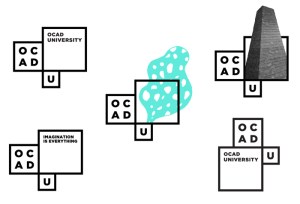
Mau-Icons

The icons shown above are examples of how the new OCAD U logo can become what Fast Company describes as a “mini art gallery” for the school’s art and design students. Created by Bruce Mau Design, the new logo’s largest frame is an open canvas. While the mark provides a nod to one of OCAD U’s most prominent buildings, the Sharpe Center for Design, “its primary purpose,” writes Fast Company’s Suzanne LaBarre, “is to show off students’ creative toils.” The school plans to invite its top students each year to contribute something from their portfolio to transform that open frame into logos for the following year.

It’s a risky approach, and one that could drive brand identity police nuts. But in this era of social media, when so many of us talk about how we don’t “control” the brand, we’ve still been pretty strict about allowing much flexibility with our organizations’ visual identities. Maybe it’s time we brand managers relinquish some control of the visual brand, too. OCAD U is leading the way.

Congratulations to Steve Virtue, OCAD U’s director of marketing and communications, who has been shepherding the design process since the university first announced its partnership with Bruce Mau Design last September.

Going public with redesigns: not for the faint of heart

newstarbuckslogoWith the Great GAP Logo Debacle of 2010 barely in our rear-view mirrors as we head into 2011, another iconic brand — Starbucks — has decided to change its logo. (That’s the new version on the left.) And just as we saw with GAP’s move to change its visual identity, not everyone is happy with this decision.

I’m not all that perturbed by this latest iteration of the Starbucks visual identity. I’m actually more concerned about their experiments in brand extensions over the past few years — moving beyond the core brand experience as a Third Place and into the music business, for example.

What I find most interesting about Starbucks’ rollout of this new logo is the reaction. The anti-change comments reacting to this rollout — which appears to be very well-planned and -executed — remind me of the comments we received at Missouri S&T when we first unveiled our new logo on our Name Change Conversations blog back in 2007. Our announcement was admittedly less polished than Starbucks’, but it aroused similar passions, both for and against the change. Mostly against.

Starbucks’ experience aligns with ours in at least one respect: people who are passionate about your brand will not be shy about expressing their opinions. Also, as we learned with our university’s name change in 2007 and 2008, it is critical to openly communicate with stakeholders about changes in identity — whether it has to do with an organization’s visual identity or something deeper, such as its name and all that is associated with that.

But openness can be risky. You are exposing your organization to critique and ridicule.

The question is, how will the organization respond to those slings and arrows? Will leaders thoughtfully consider the comments, weighing stakeholders’ and customers’ views against other business goals to make the decision that they, as leaders, believe is best for the organization? Cave to the critics? Ignore the critiques completely?

In the end, I suspect Starbucks will stick with its strategy and roll out the new logo without much backlash. Immediate reactions may be harsh, but over time people accept the changes.